
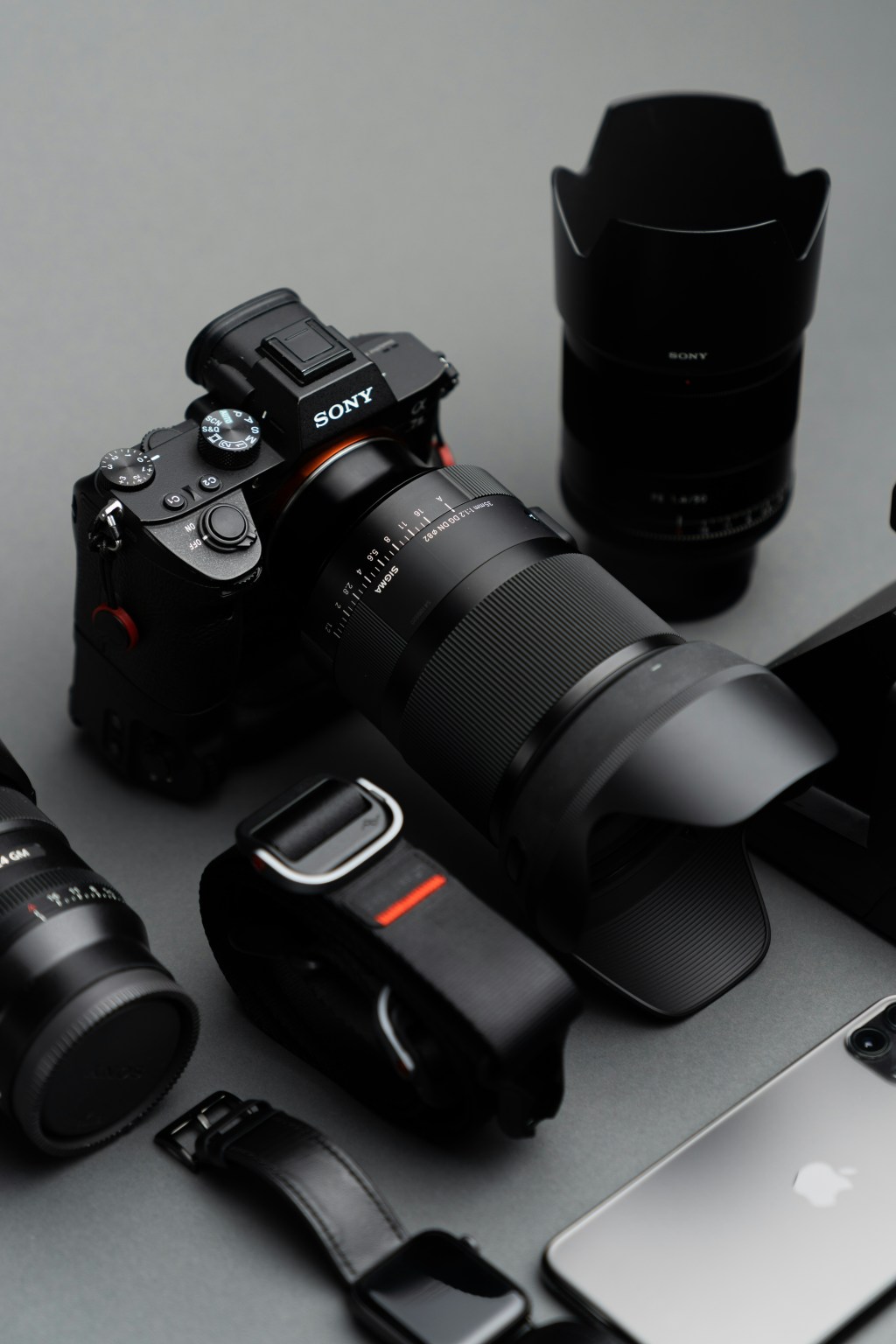
1. Canon EOS R50 + RF 50mm f/1.8 STM
Best for: Beginners and content creators
Why it stands out:
The Canon R50 is an approachable mirrorless camera that delivers crisp, colorful images. Paired with the RF 50mm f/1.8, it becomes a budget-friendly powerhouse for portraits, travel, and everyday photography.
Pros: Lightweight, intuitive controls, beautiful color tones
Cons: Limited dynamic range in harsh light
💡 Perfect for anyone moving up from smartphone photography.
2. Nikon Z5 + NIKKOR Z 24–70mm f/4 S
Best for: Enthusiasts looking for full-frame quality
Why it stands out:
This combo offers incredible value. The Z5’s full-frame sensor captures rich detail, and the 24–70mm f/4 lens gives you flexibility from landscapes to close-ups.
Pros: Dual SD slots, weather-sealed, excellent ergonomics
Cons: 4K video comes with a crop
💡 An ideal setup for travel or general photography.
3. Sony ZV-E10 + E 10–18mm f/4 OSS
Best for: Vloggers and YouTubers
Why it stands out:
Compact, versatile, and made for video creators. The wide-angle lens gives a cinematic look while keeping subjects in sharp focus.
Pros: Excellent autofocus, flip-out screen, clean HDMI output
Cons: No in-body stabilization
💡 Great for creators who want portable video quality.
4. Fujifilm X-S20 + XF 18–55mm f/2.8–4 R LM OIS
Best for: Creative shooters and hybrid photo/video users
Why it stands out:
Fujifilm’s color science shines here. The 18–55mm “kit” lens is surprisingly sharp and fast, making it ideal for all-purpose shooting.
Pros: Film simulations, strong stabilization, lightweight design
Cons: Slightly higher cost for a crop sensor
💡 A joy for photographers who love artistic expression.
5. Olympus OM-5 + M.Zuiko 12–45mm f/4 PRO
Best for: Outdoor and adventure photographers
Why it stands out:
This combo is built for rugged environments. The OM-5’s weather sealing and superb stabilization pair perfectly with Olympus’s sharp, compact lenses.
Pros: Lightweight, durable, reliable image stabilization
Cons: Smaller sensor affects low-light performance
💡 Great for hikers, travelers, and landscape enthusiasts.
6. Canon EOS R6 Mark II + RF 24–105mm f/4L IS USM
Best for: Professionals and serious enthusiasts
Why it stands out:
This full-frame duo offers a perfect blend of image quality, speed, and flexibility. The 24–105mm lens covers nearly any shooting situation with tack-sharp results.
Pros: Excellent autofocus, dual card slots, strong video features
Cons: Pricey, but worth the investment
💡 A do-it-all setup for photography and video production.
7. Sony A7 IV + FE 35mm f/1.8
Best for: Portraits, street, and everyday creativity
Why it stands out:
Sony’s A7 IV is a workhorse camera. Paired with the 35mm f/1.8, it delivers sharp, vibrant images with creamy background blur.
Pros: 33MP sensor, intuitive controls, superb low-light performance
Cons: Menu complexity for new users
💡 A modern classic setup for any style of photography.
8. Panasonic Lumix GH6 + Leica DG 12–60mm f/2.8–4
Best for: Filmmakers and hybrid creators
Why it stands out:
The GH6 excels in video recording, and this Leica lens keeps footage crisp across all zoom ranges. Together, they’re built for reliability on set.
Pros: Excellent stabilization, unlimited recording, professional video tools
Cons: Smaller sensor, bulkier than expected
💡 A creator’s dream combo for video-first workflows.
9. Ricoh GR IIIx (fixed lens)
Best for: Street photographers and minimalists
Why it stands out:
Compact, discreet, and lightning-fast — this camera doesn’t need an interchangeable lens. The built-in 40mm equivalent lens produces stunning clarity and natural depth.
Pros: Pocketable, sharp optics, intuitive design
Cons: Fixed focal length, limited battery life
💡 Ideal for photographers who value simplicity and spontaneity.
10. Nikon Z8 + NIKKOR Z 70–200mm f/2.8 VR S
Best for: Professionals shooting sports, wildlife, or events
Why it stands out:
This is a powerhouse combination — speed, precision, and image quality all in one. The Z8 delivers flagship-level performance in a smaller body, and the 70–200mm f/2.8 lens provides creamy bokeh and lightning-fast focus.
Pros: High resolution, fast burst shooting, robust build
Cons: Premium price and weight
💡 A pro setup for those who need uncompromising performance.
 Moments Photography
Leave a comment